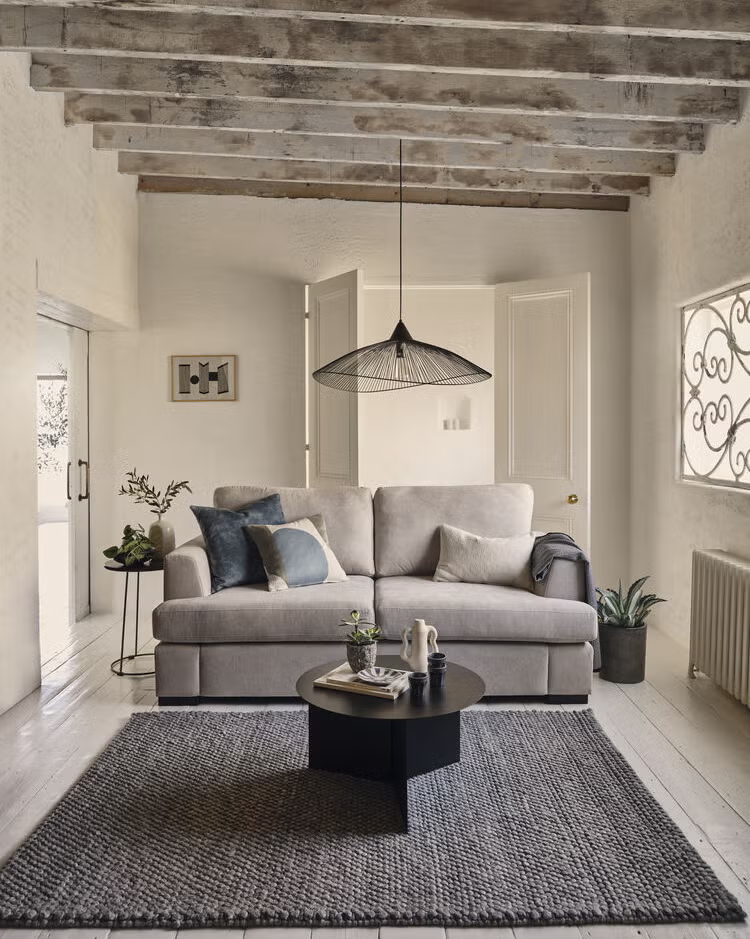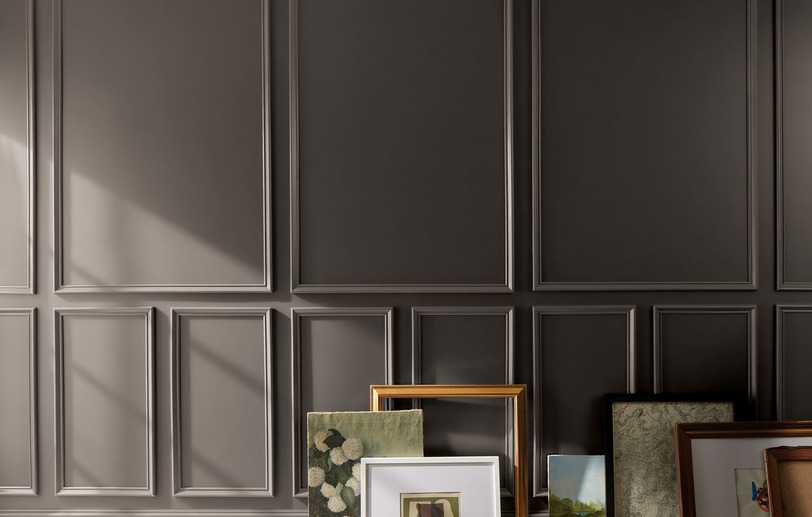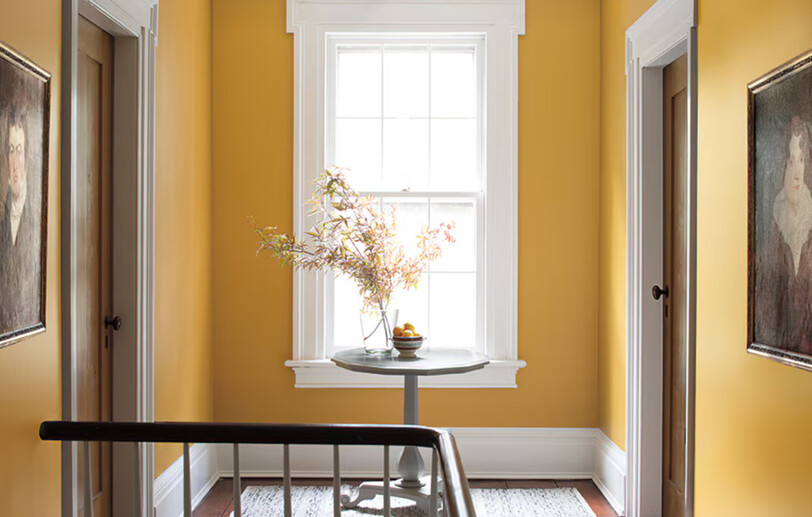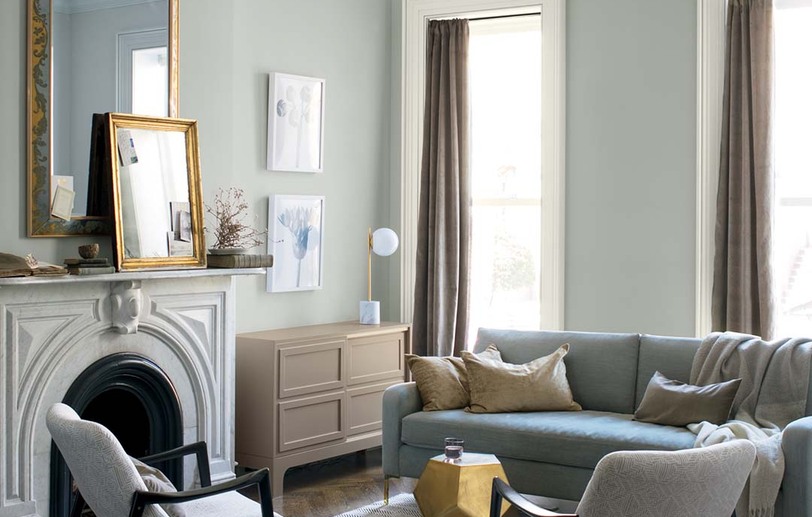
Rule 60-30-10
The combination of colors in the interior is a basic moment, thanks to which designers manage to achieve excellent results and make the room look stylish and fresh.
Explore our Neutral colour family.If you admire beautiful interiors in magazine articles or on the Internet and want to get a similar effect yourself in your own apartment, but do not know how to combine colors - this article is definitely for you.
There is a simple rule that is often used in interior decorating and allows you to successfully combine colors. This rule is 60-30-10.

The 60-30-10 color combination rule is designed specifically to achieve the most balanced and attractive look.
The 60-30-10 rule.
60% of the room is decorated with the dominant color;
30% of the room is decorated with a second color;
10% of the room is decorated with an accent color or colors.
Like all rules in design, the 60-30-10 rule does not require a precise approach with a circular and ruler. Just follow the basic idea: most of the room is decorated with one color, three-quarters of the remaining space is decorated with a complementary color, and what's left is decorated with bright accent colors.

Let's take a look at how to use our color combination rule in, say, a bedroom. Fortunately, it's not that difficult. The dominant color is always the color of the walls and, often, solid pieces of furniture. In most bedrooms, the dominant shades are brown, white or gray, but it can be any color you like.
The second color adds contrast to the room. Typically, this color is used for furniture, curtains, rugs, and bedding. It can also be used on an accent wall.

An accent color or colors add spice to an interior. Often, these are bright colors, but not always. In a bedroom of neutral or pastel colors, you can use black, metallic or dark brown as an accent. Most often, accent colors are used for decorative pillows, bedding, lamps and lampshades, book covers, small rugs, and small pieces of furniture.
Keep in mind that you should not use only three shades in your interior. If your dominant color is blue - then you can practice using several shades of blue - from lighter to darker - within your 60% dominant color.